





Why Account Access Needs More Than One Clean Route
The first thing a player notices is not the game list. It is the path into the account. That path sets the tone for everything that follows. When the entry area feels ordered, the rest of the session has a better chance of staying ordered too.
A short evening check shows this quickly. You open the platform on a phone, look for the account area, scan the balance section, and decide whether to stay. That process should not feel theatrical. It should feel simple, direct, and easy to repeat the next day without relearning the layout.
For adult players in Canada, that matters because many sessions begin in fragments. A person looks in during a break, closes the page, comes back later, and expects the same calm structure to still be there. A product that handles those broken sessions well often feels stronger than one that only looks polished during a long first visit.
How The First Account Screen Sets The Mood
The first account screen answers a quiet question right away: does this product respect the player’s time? Clear labels, visible balance space, a readable profile area, and a support route that does not hide in the corner all make a difference. A person checking the page before dinner can tell within seconds whether the session is likely to stay controlled or drift into friction.
Why Mobile Entry Exposes Weak Design Faster
Desktop screens forgive weak design for a while. Phones do not. On a smaller screen, heavy banners, vague buttons, and buried menus become problems immediately. A player standing in a queue notices that faster than any review ever could. Strong mobile entry feels light. Weak mobile entry feels like work.
That is why short mobile visits are such a good test. They strip away patience and show the real quality of the structure underneath the styling.
What Makes A Sign-Up Path Feel Trustworthy
A sign-up path earns trust by being steady rather than clever. The player is not looking for drama here. The task is basic: enter details, understand the next step, and move toward the account without second-guessing every field.
The better flows reduce noise. They do not crowd the screen with too many competing prompts, and they do not make the player hunt for what has already been completed. A short setup session on a weekday night should feel easy to resume after an interruption, not like a puzzle that needs to be solved twice.
How A Short Registration Session Should Work
A practical sequence helps: start with the essential profile details, confirm the account state, review any important notes, then move toward the wallet or lobby only when the setup feels complete. Say you begin the process, step away to answer a call, and return fifteen minutes later. A reliable structure lets you recover the thread quickly instead of forcing you to guess what the platform still expects from you.
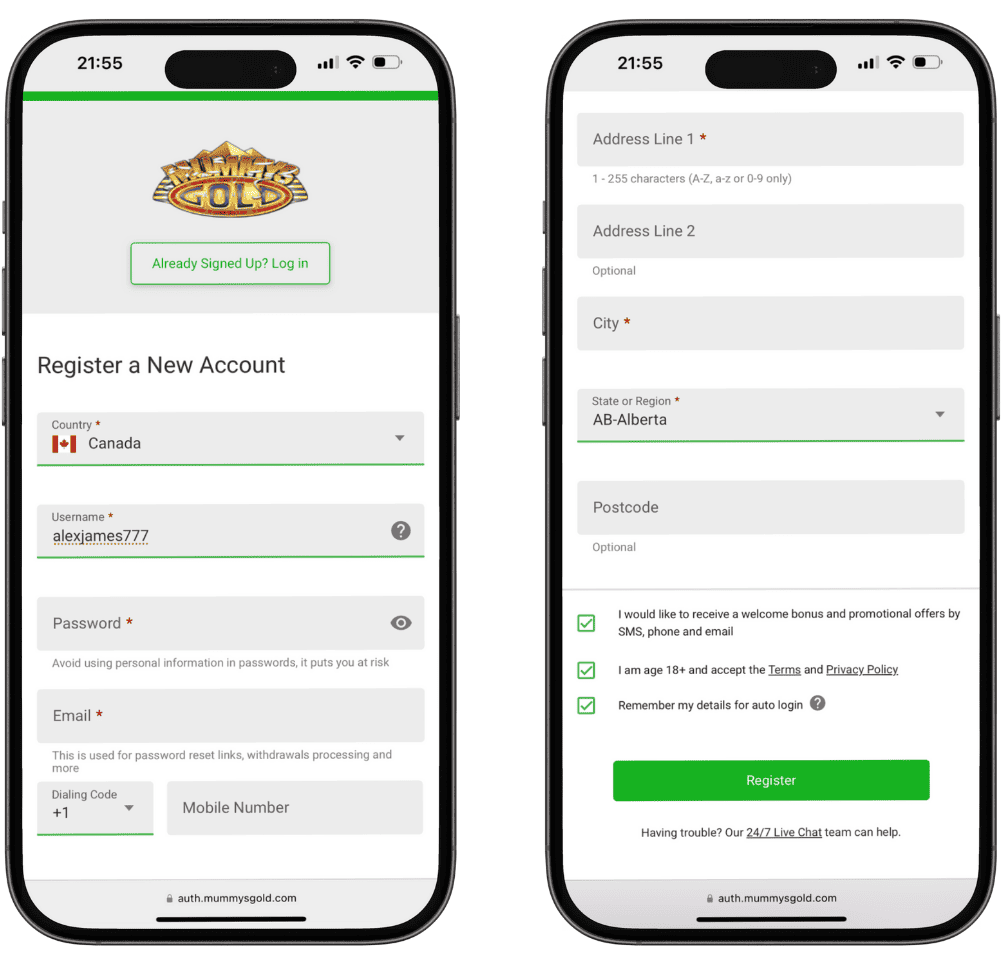
Inside Mummys Gold Sign Up For New Users
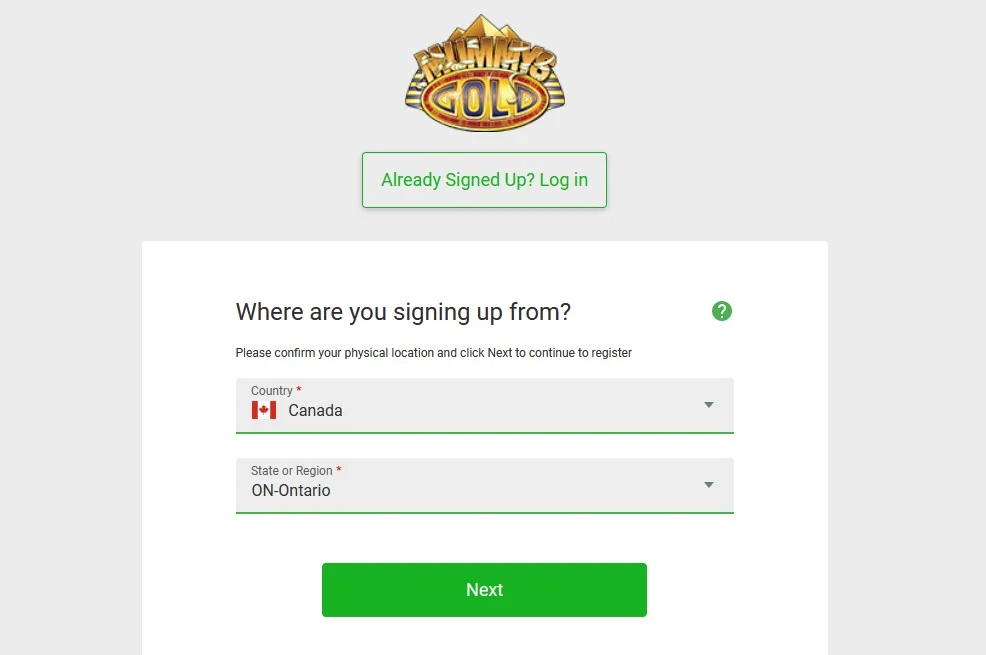
A useful account setup does not end with the form. The real question comes after it: what does the player do next? Many people rush from registration toward the wallet or the lobby because the moment feels fresh and momentum is strong. That is often where small mistakes begin.
A calmer routine works better. Open the profile area first. Check that the account space looks coherent. Review the balance section. Notice where help lives. Only then decide whether the next step belongs in the wallet, the lobby, or nowhere at all that evening. That extra minute changes the rhythm of the whole session.
This kind of pacing matters most for people who do not treat play as one long, uninterrupted event. They visit in smaller windows. Ten minutes here. Fifteen there. A stable registration-to-account path supports that adult pattern instead of pretending every session begins with unlimited time and total focus.
There is also a confidence issue. A product feels more dependable when the account space after setup looks connected to the rest of the experience. A weak product can make the profile, the wallet, and the lobby feel like separate rooms with no shared logic. That disconnect wears on the player faster than many operators seem to realize.
On a short late product feels more dependable when the account space after setup looks connected to the rest of the experience. A weak product can make the profile, the wallet, and the lobby feel like separate-night visit, the difference is obvious. You finish the initial setup, check the account page, and know exactly how to leave, return, and continue later. That kind of quiet clarity has more long-term value than flashy design choices that look good once and then start getting in the way.
Banking Order, Session Control, And Decision Flow
Money decisions should happen after context, not before it. That sounds simple, yet many players do the opposite. They enter the platform, remember an old intention, and go straight to the wallet without checking what the account already shows them. A better flow begins with information.
Start with recent account activity. Look at the balance area. Scan any reminders or profile notes. Then decide whether moving money still makes sense for this session. Very often that short pause changes the answer. The player either proceeds with more clarity or realizes that tonight does not require another step at all.
The wallet itself should support that calmer pace. Method choices should be readable. Amount fields should not create doubt. The path forward should be visible without making one option feel pushed for no clear reason. Good cashier design does not rush the player. It removes unnecessary hesitation.
Control tools matter here as well. Limits, breaks, reminders, and stronger pause settings work best when they are placed near the parts of the account where real decisions happen. A serious platform does not treat those tools as decorative add-ons. It puts them where the player can actually use them before momentum gets messy.
A normal home routine shows why this matters. You open the account after work, consider adding funds, then notice from recent activity that the session already has enough shape for the night. You back out, close the wallet, and move on with less noise in your head. That is not a failure to play. It is a sign that the design supported control instead of pushing friction.
Area | What To Check | Why It Matters |
|---|---|---|
Profile section | Account status, recent notes, visible help path | Creates context before the next action |
Balance area | Current funds and recent movement | Reduces rushed decisions |
Wallet flow | Method list, amount field, confirmation path | Keeps money steps readable |
Control tools | Limits, reminders, pause settings | Supports steadier adult play |
Return route | Clear path back to account or lobby | Prevents needless wandering |
Why The Wallet Area Needs Calm Design
The wallet tells the player whether the product respects practical use. A clean one explains itself with structure. A messy one creates doubt because every small action feels more important than it should. Open the wallet while waiting for the kettle to boil and the difference becomes obvious. Calm design lowers pressure. Clutter raises it.
How Deposit Limits Shape Better Sessions
Limits create space for thought. They help the player define the shape of the session before the session starts defining itself. During a short weekday visit, that can be the difference between a measured routine and a scattered one. Good control tools do not make the experience smaller. They make it clearer.
How Mummys Gold Casino Welcome Bonus Fits Early Play
An early offer gets attention fast, though it should never replace the basic account check. The smarter approach is to understand the account space first, then decide whether any welcome-related path matches the session you actually want. A player who stops to review the profile, wallet, and control tools before reacting to an offer often makes a better choice than someone who follows the loudest prompt on the page.
Support, Pacing, And Return Visits
Support quality is not just about replies. Placement matters too. When the help route stays visible near the account and wallet areas, the whole product feels calmer because the player knows a question can be handled without a long search.
That matters most during imperfect sessions. A player returns after two days away, opens the account on a phone, notices something small, and wants reassurance before continuing. Easy support access keeps that moment manageable. Hidden support turns it into friction.
Pacing matters in the same way. Strong platforms understand that not every session should grow. Some should end early. Some should pause. Some should move from the account page to the lobby and then stop there. Good structure allows those quieter outcomes without making them feel like detours.
Return visits are where real judgment forms. First impressions can flatter almost anything. By the fourth or fifth visit, the player knows whether the same actions still feel simple: check the account, review recent activity, use the wallet, find help, step away. Repetition strips away novelty and shows the platform’s real discipline.
Public opinion can help, though only when it stays in proportion. Read a few outside comments to spot patterns around navigation, payment clarity, or support tone, then compare those patterns against your own short session. That method is better than borrowing certainty from strangers.
Why Short Repeat Visits Matter More Than First Impressions
Repeat visits reveal the truth because they remove novelty. The player is no longer impressed by surface design and starts noticing the path between account tools, the wallet, and support. A platform that stays easy to use across those repeat checks earns confidence slowly, which is often the strongest kind.
What Outside Opinions Can And Cannot Tell You
Outside opinions can point toward themes, not final answers. Repeated comments about layout, wallet confusion, or support tone may be useful clues. They are not the session itself. A better approach is practical: read a few impressions, open the product, and test whether those concerns actually appear during your own short account routine.
A Realistic Mobile Routine For Adult Players In Canada
Mobile use changes everything because it narrows patience. People do not always sit down for one long session with perfect focus. They check the account while travelling home, glance at the wallet during a short break, or browse the lobby from the sofa after a long day. The product has to support those ordinary patterns.
A realistic routine starts with purpose. Open the account. Scan the balance area. Review recent activity. Decide whether the session is about checking, depositing, browsing, or stopping. That order seems small, yet it protects the player from turning a short visit into an unfocused chain of taps.
It also helps to keep expectations narrow on mobile. A phone session does not need to do everything. Some of the best mobile experiences are strong because they make a few actions easy instead of making every corner of the platform compete for attention at once.
The strongest products also make stepping away feel natural. A player can enter, review the account, close the session, and return later without feeling lost. That is a sign of maturity. The system respects adult use instead of demanding constant immersion.
Say the day has been long and concentration is thinner than usual. You open the page for a fast account check, find the recent activity, decide not to move money, and leave. That clean exit matters. It proves the platform can support restraint, not just engagement.
For Canada-based adults who move between laptop and phone across the week, that consistency matters even more. The route into the account, the logic of the wallet, the visibility of help, and the control tools should all feel related no matter which screen is in front of you. When they do, confidence grows with very little noise.